
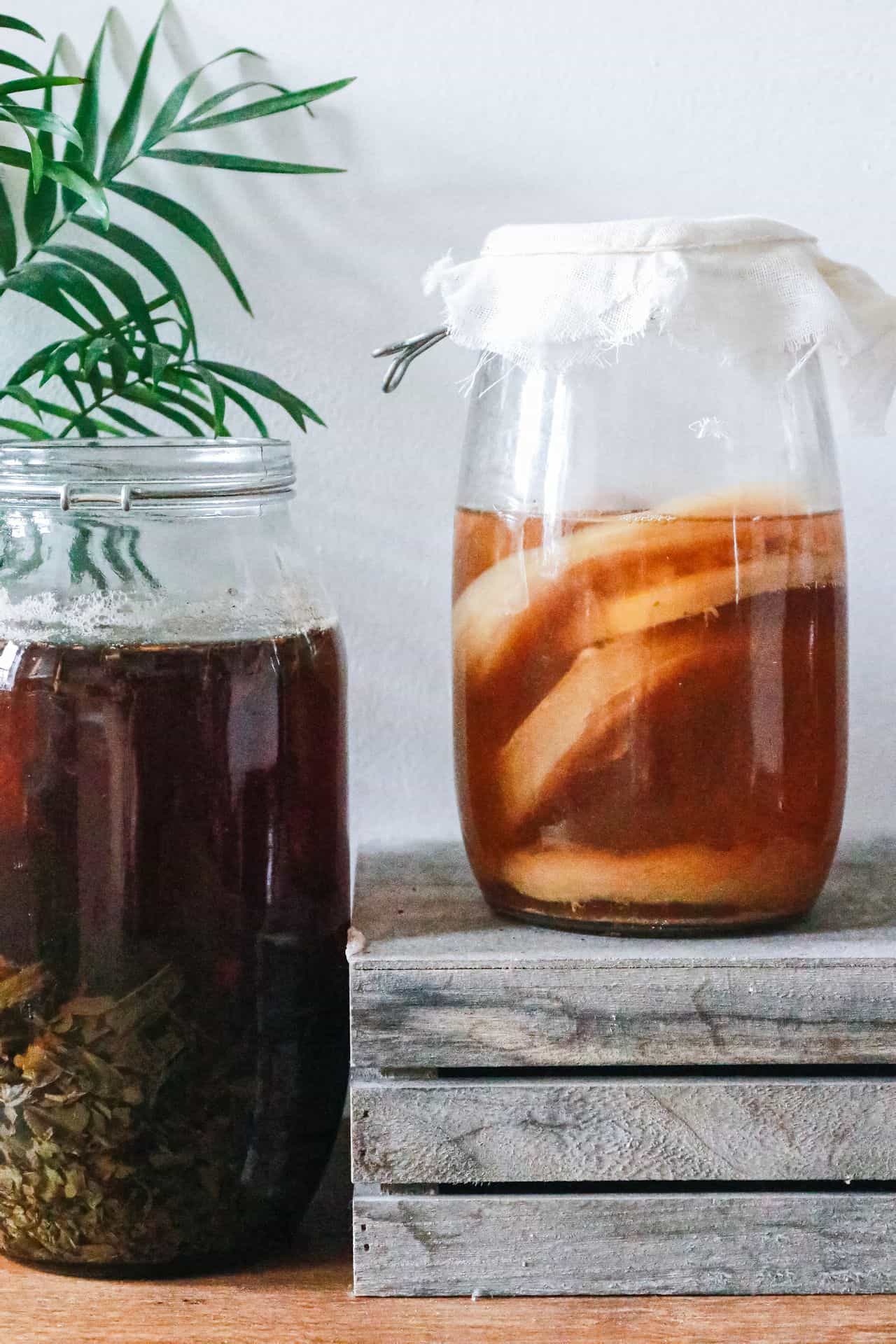
Kombucha Guide: Benefits, Taste, Ingredients, and Brewing Basics
Kombucha is a fermented tea beverage that has gained popularity worldwide for its unique taste and potential health benefits. Made by fermenting sweetened tea with a SCOBY (Symbiotic Culture of Bacteria and Yeast), kombucha develops a slightly fizzy texture and a tangy flavor that many people enjoy as a healthier alternative to sugary soft drinks.
Originating thousands of years ago in Asia, kombucha has become a favorite among health-conscious consumers looking for natural probiotics and refreshing beverages.
Benefits of Kombucha
1. Supports Digestive Health
Kombucha contains probiotics produced during fermentation. These beneficial bacteria may help support a balanced gut microbiome and improve digestion.
2. Rich in Antioxidants
Since kombucha is typically brewed with green or black tea, it contains antioxidants that help protect cells from oxidative stress and free radical damage.
3. May Boost Energy
The tea used in kombucha naturally contains small amounts of caffeine, while fermentation can produce B vitamins that contribute to energy metabolism.
4. Alternative to Sugary Drinks
Many people choose kombucha as a lower-sugar alternative to sodas and artificially flavored beverages.
5. Supports Overall Wellness
While research is still ongoing, kombucha is often associated with supporting immune function and general well-being due to its probiotic and antioxidant content.
What Does Kombucha Taste Like?
Kombucha has a unique flavor profile that can vary depending on the tea, fermentation time, and added ingredients.
Common taste characteristics include:
- Tangy and slightly sour
- Lightly sweet
- Mild vinegar-like notes
- Refreshing and fizzy
- Fruity when flavored with fruits or herbs
Beginners often compare kombucha to sparkling apple cider with a slight vinegar kick.
Main Ingredients in Kombucha
Tea
Black tea and green tea are the most common choices. They provide nutrients that help the SCOBY thrive.
Sugar
Sugar feeds the yeast and bacteria during fermentation. Most of the sugar is consumed throughout the brewing process.
SCOBY
A SCOBY is a living culture of beneficial bacteria and yeast responsible for fermenting the tea.
Starter Tea
A small amount of previously brewed kombucha is added to help lower the pH and start fermentation safely.
Optional Flavorings
Many brewers add ingredients such as:
- Ginger
- Lemon
- Berries
- Mango
- Mint
- Hibiscus
- Lavender
These are usually added during a secondary fermentation for enhanced flavor and carbonation.
Brewing Basics: How Kombucha Is Made
Step 1: Brew Sweet Tea
Boil water and steep tea bags or loose tea. Dissolve sugar into the hot tea and allow it to cool completely.
Step 2: Add SCOBY and Starter Tea
Transfer the cooled sweet tea into a clean glass jar. Add the SCOBY and starter tea.
Step 3: Ferment
Cover the jar with a breathable cloth and secure it with a rubber band. Let it ferment at room temperature for 7–14 days.
Step 4: Taste Test
As fermentation progresses, the kombucha becomes less sweet and more tart. Taste periodically until it reaches your preferred flavor.
Step 5: Bottle and Flavor
Remove the SCOBY and reserve some kombucha as starter tea for the next batch. Bottle the remaining kombucha and add desired flavorings.
Step 6: Secondary Fermentation
Seal the bottles and allow them to sit for 2–5 days to develop carbonation.
Step 7: Refrigerate and Enjoy
Once carbonation reaches your desired level, refrigerate the bottles to slow fermentation.
Brewing Tips for Beginners
- Always use clean and sanitized equipment.
- Avoid metal containers during fermentation.
- Keep kombucha away from direct sunlight.
- Use glass jars for primary fermentation.
- Start with black tea for consistent results.
- Monitor fermentation temperature, ideally between 68°F and 85°F (20°C–29°C).
Is Kombucha Safe?
For most healthy adults, kombucha is generally considered safe when brewed and stored properly. However, individuals with weakened immune systems, pregnant women, or those with specific medical conditions should consult a healthcare professional before consuming homemade kombucha.
Moderation is also important, as kombucha contains trace amounts of alcohol and organic acids produced during fermentation.
Final Thoughts
Kombucha is a refreshing fermented tea that combines unique flavors with potential digestive and wellness benefits. Whether you’re interested in its probiotic content, fizzy taste, or DIY brewing experience, kombucha offers an enjoyable way to explore the world of fermented beverages. By understanding its ingredients, benefits, and brewing process, beginners can confidently start their own kombucha journey at home.
