
Pilates Barre for Dancers, Athletes and Fitness Beginners
Pilates Barre blends Pilates core control with ballet-inspired barre work to build joint-friendly strength, alignment, and movement efficiency for dancers, athletes, and fitness beginners. Sessions emphasize breath barre class KL, precise alignment, and controlled tempo to develop sustainable muscle tone and improve turnout, balance, and power without bulk. Routines scale via range, tempo, and light resistance, with options for rehabilitation and sport-specific progression. Beginners use barre support and reduced range for safety. Continue for practical routines, progressions, and safety tips.
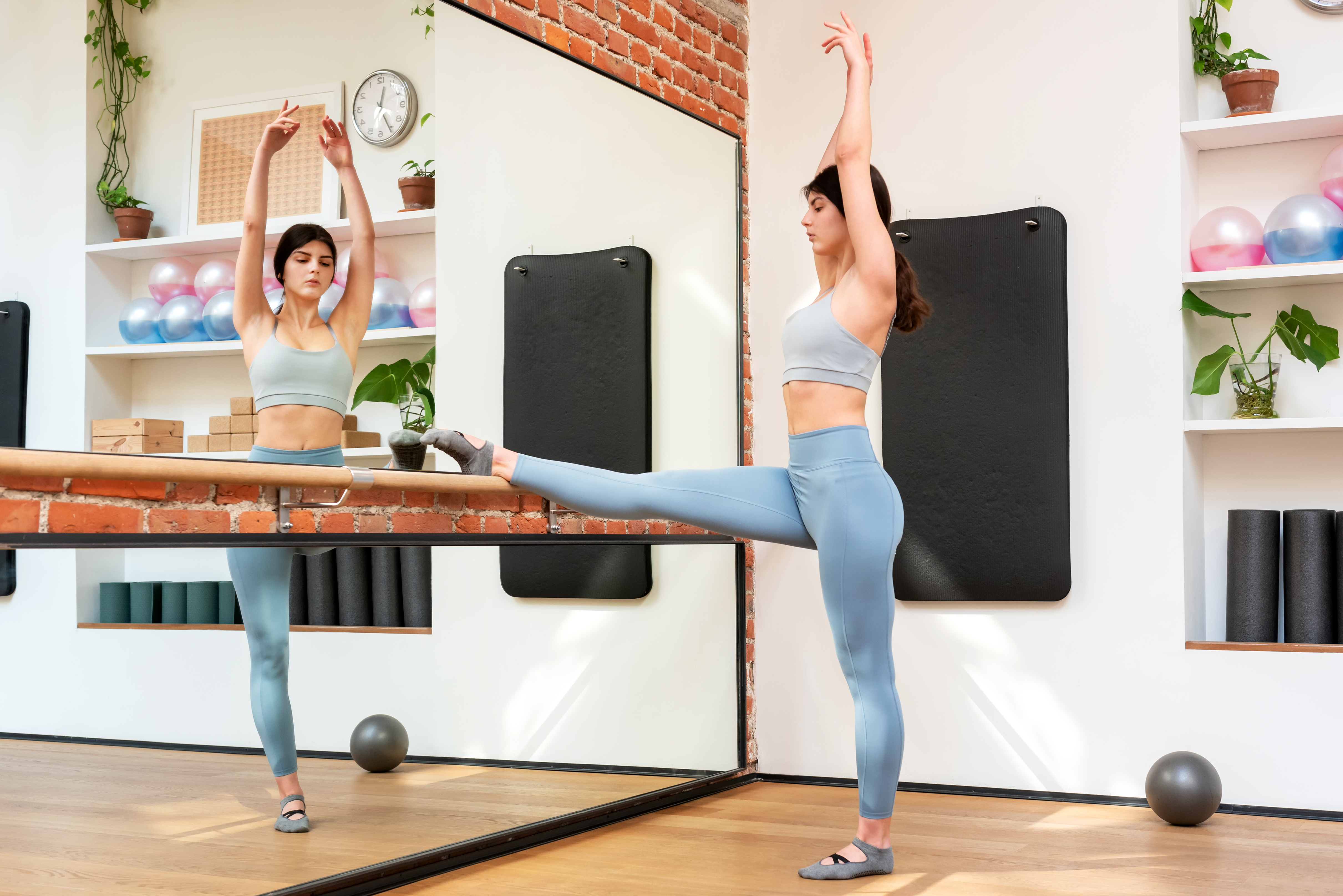
What Pilates Barre Is and Who Benefits
Pilates barre combines core-focused Pilates principles with ballet-inspired barre work to create a low-impact, full-body workout that emphasizes alignment, stability, and controlled movement. It blends isometric holds, small-range repetitions, and fluid shifts to build strength without bulk, enhancing joint mobility and postural awareness.
Sessions suit dancers refining turnout and extension, athletes seeking muscular balance and injury prevention, and beginners craving accessible challenge and autonomy in movement. Equipment needs are minimal—barre, mat, optional light resistance—and exercises scale by tempo and range, inviting personal choice.
Instruction directs precision but encourages individual pacing, so practitioners cultivate confidence and adaptability. The practice supports a liberated approach to fitness rooted in intentional, efficient motion.
Core Principles: Breath, Alignment & Muscle Tone
The practice centers on coordinated breath timing techniques that support movement efficiency and core engagement.
Attention to precise alignment reduces compensatory tension and improves force transfer across the body.
Together, breath and alignment cultivate sustained muscle tone essential for dancers, athletes, and beginners.
Breath Timing Techniques
Although often subtle, breath timing is the organizing cue that links alignment and muscle tone into efficient movement. The practitioner uses inhale to create space and prepare, exhale to initiate precise contractions and release unnecessary tension.
Timing breath with shifts—entering a plié, extending a leg, or stabilizing the core—creates rhythm and conserves energy. Coordinated breathing reduces gripping, encourages length, and supports dynamic control without rigidity.
Techniques include measured inhales that widen the ribcage and controlled exhales that draw the navel toward the spine; brief pulses synchronize with small articulations.
Emphasis remains on freedom: breath serves as a voluntary anchor, allowing fluid adjustments and responsive choices. Clear, consistent timing becomes an effortless guide for sustainable, expressive movement.
Alignment For Efficiency
Breath sets the tempo, and alignment channels that rhythm into efficient, repeatable movement patterns. The body organizes around skeletal landmarks—pelvis neutral, rib cage stacked, head balanced—so breath-driven intent translates into purposeful motion rather than wasted effort.
Proper alignment reduces compensations, conserves energy, and widens movement options, allowing practitioners to move freely with less fatigue and lower injury risk. Attention to joint tracking and balanced muscle length creates a stable base from which exploration becomes safe and expansive.
Teachers cue clear, simple markers and progressive adjustments, inviting autonomy rather than rigidity. Over time, alignment becomes a guiding habit: efficient mechanics that support expressive range, endurance, and the freedom to pursue complex, joyful movement across practice and performance.
20‑Minute Pilates Barre Routine (Dancers)
The 20-minute Pilates barre routine for dancers opens with targeted warm-up and mobility exercises that prime joints and increase range of motion. It then shifts to centering work that coordinates breath with controlled movement to reinforce posture and core engagement.
Together these elements prepare the body for more dynamic barre progressions while reducing injury risk.

Warm-Up And Mobility
Why begin with mobility before strength work? The dancer is encouraged to wake joints and awaken range, prioritizing fluidity over forced power. This warm-up sequences gentle articulations: spinal rolls, thoracic rotations, hip circles, ankle mobilizations and dynamic leg swings.
Attention is on joint integrity and balanced movement patterns so later barre strength acts within liberated alignment. Movements are rhythmic, progressive, and brief—each lasting a few breaths—to maintain momentum and avoid fatigue.
Use soft resistance bands or a barre for controlled assistance when needed. Emphasis rests on symmetry, ease of motion and finding usable space rather than maximal amplitude.
The result is preparedness: a body ready to express, adapt and perform with efficient, unrestricted capacity.
Centering And Breath
Because centering precedes movement, the dancer begins with mindful inhalations and diaphragmatic engagement to establish a stable core and rhythmic baseline. The practice emphasizes neutral spine alignment, pelvic awareness, and soft shoulder placement, creating internal space that permits expansive motion.
Breath coordinates with every micro‑shift: inhalation lengthens the torso and invites openness; exhalation draws the navel toward the spine, gently recruiting transverse abdominis for support. Attention remains impartial, observing tension and releasing habitual bracing to restore lightness.
Tempo is steady, neither rushed nor stagnant, allowing freedom to emerge from control. This disciplined simplicity cultivates resilient posture, efficient movement pathways, and the capacity to explore range safely, so each progression feels intentional and liberated.
Pilates Barre 4‑Week Strength & Stability Plan (Athletes)
When tailored for athletes, the four-week pilates barre Strength & Stability Plan emphasizes progressive loading, neuromuscular control, and sport-specific transfer to enhance power, joint resilience, and movement efficiency.
The plan sequences compound and single-leg work, dynamic balance drills, and core-integrated isometrics to build reliable strength without restricting range. Sessions prioritize movement quality, measurable progression, and recovery to support performance goals and autonomy in training.
- Week 1: foundational alignment, light resistance, balance introductions.
- Week 2: increased load, unilateral strength, reactive stability drills.
- Week 3: power-oriented tempo, plyometric barre progressions, rotational control.
- Week 4: sport-specific integration, maximal controlled load, movement economy testing.
The program empowers athletes to move freely, adaptively, and with resilient control.
Beginner Modifications & Safety Tips for Pilates Barre
Beginner modifications and safety tips for Pilates Barre provide clear strategies to reduce injury risk and build confidence while learning technique. Attention to alignment—neutral spine, rib cage soft, shoulders down—keeps movement efficient.
Use the barre or a chair for balance; limit range of motion until control is steady. Substitute kneeling or seated versions for standing sequences when stability or joint pain appears.
Tempo matters: slow, controlled repetitions emphasize form over quantity. Breathe rhythmically to support movement and avoid bracing.
Choose supportive footwear or bare feet per surface; avoid slippery floors. Encourage progressive overload: increase reps or complexity only when form is uncompromised.
Seek professional feedback if persistent discomfort arises to preserve freedom of movement and long-term progress.
How Pilates Barre Improves Turnout, Balance & Power
After establishing safe alignment and controlled progressions, Pilates Barre naturally targets the muscular and neuromuscular qualities that enhance turnout, balance, and power. It emphasizes external rotation through hip-stabilizer strengthening, refines proprioception with small, controlled shifts, and builds explosive strength via resisted pulses and eccentric control. Movements encourage efficient recruitment patterns so the body moves with more freedom and precision.
- Hip external rotators and core synergy improve turnout without forcing the joints.
- Progressive balance challenges translate to steadier holds and confident shifts.
- Controlled loading and plyometric-inspired drills increase power while preserving alignment.
The approach favors sustainable gains: disciplined repetition, mindful breath, and progressive variability cultivate a liberated, stronger movement vocabulary for dancers, athletes, and beginners.
Choosing Pilates Barre Classes, Equipment & a Weekly Plan
Choosing Pilates Barre classes, equipment, and a weekly plan requires matching goals, current fitness, and available time to guarantee steady, safe progress. One should select classes that align with objectives—strength, flexibility, or rehabilitation—preferring instructors with relevant certifications and accessible modifications.
Equipment choices must support autonomy: a sturdy barre, resistance bands, mini-ball, and reformer options for home or studio use.
A sustainable weekly plan balances intensity and recovery; two to four barre sessions plus complementary cardio or mobility work suits most.
Progress is tracked by measurable milestones and felt ease in movement.
Scheduling remains flexible to respect life demands while preserving consistency.
Safety, gradual load increases, and professional guidance ensure freedom to train without undue risk.
Conclusion
Pilates barre blends precision, breath and alignment to enhance strength, stability and graceful movement for dancers, athletes and beginners alike. Short routines refine turnout, balance and power while progressive plans build endurance and injury resilience. Thoughtful modifications and safety cues keep practice accessible. Selecting qualified instructors, minimal equipment and a consistent weekly schedule guarantees steady progress. Embracing Pilates barre cultivates efficient technique, muscular control and confidence across performance and everyday fitness.
