
The Role of a Sports Podiatrist in Injury Prevention
Sports podiatrists play a vital role in identifying and mitigating injury risks among athletes. By evaluating foot structure, biomechanics, and movement patterns, they uncover underlying issues that may contribute to injury. Their expertise extends beyond diagnosis to include tailored interventions such as custom orthotics and training modifications. Understanding how these elements interact is essential for effective injury prevention, but the specifics of their approach reveal a more intricate process.
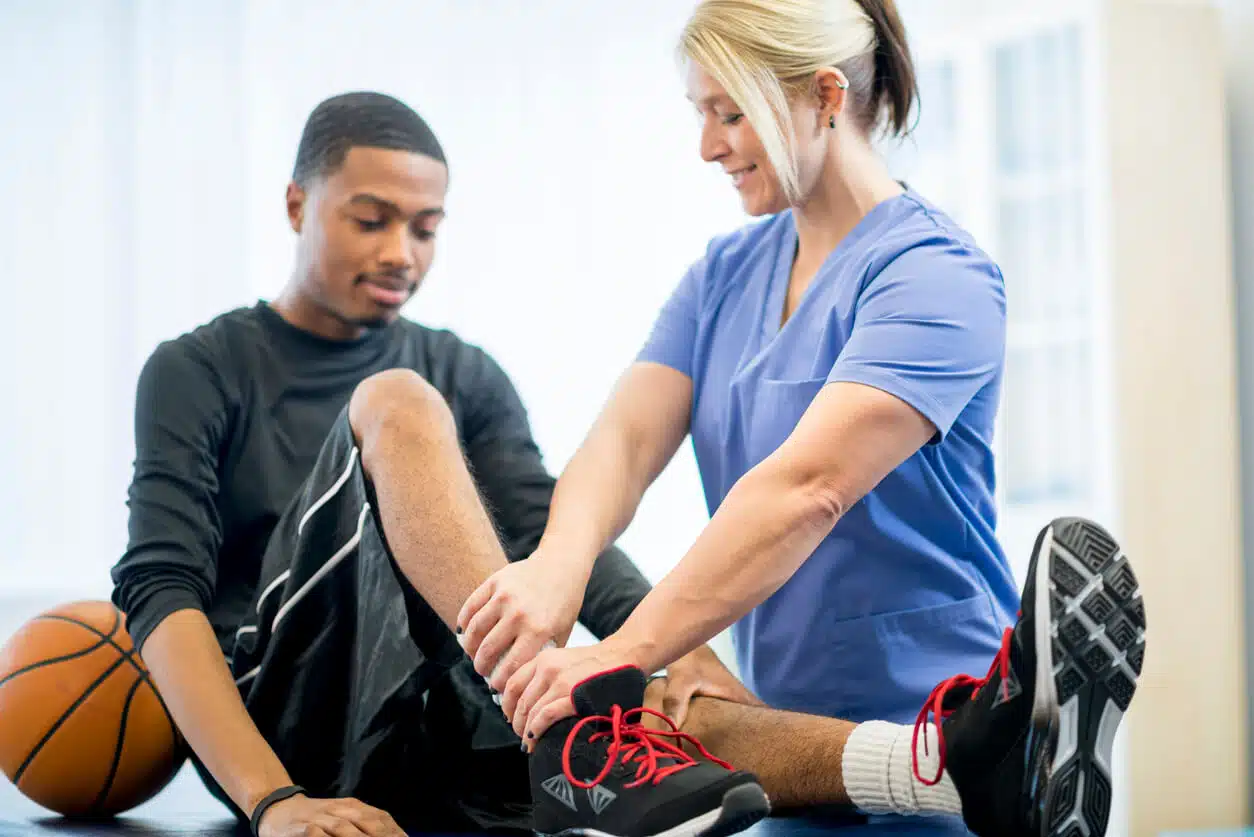
How Sports Podiatrists Identify Injury Risks Early
A sports podiatrist employs specialized assessments to detect early signs of potential injuries. These professionals evaluate foot structure, muscle strength, and joint flexibility to uncover vulnerabilities that may lead to strain or damage.
By examining pressure points and weight distribution, they identify imbalances affecting performance and increasing injury risk. Using tools like foot scans and biomechanical tests, they pinpoint subtle abnormalities not obvious to the athlete.
This proactive approach allows intervention before symptoms emerge, promoting long-term health and freedom of movement. Early identification empowers athletes to adjust training or footwear, minimizing stress on critical areas.
Ultimately, sports podiatrists provide a foundation for injury prevention grounded in precise, objective data rather than guesswork or reactive treatment.
Gait Analysis in Sports Podiatry for Injury Prevention
Although gait may appear natural and effortless, its detailed analysis reveals critical insights for injury prevention in sports podiatry. By examining movement patterns, podiatrists can detect biomechanical irregularities that may predispose athletes to injury.
Gait analysis uses advanced technology to measure foot strike, weight distribution, and joint angles during motion. This data guides interventions aimed at optimizing performance and reducing injury risk.
Key aspects evaluated in gait analysis include:
- Foot pronation and supination balance
- Stride length and cadence consistency
- Impact forces during ground contact
- Symmetry between left and right limbs
Through such precise assessments, sports podiatrists empower athletes to move freely and safely, preventing overuse injuries before they occur.
Custom Orthotics: Tailored Support for Injury Prevention
How can personalized foot support enhance athletic performance while preventing injuries? Custom orthotics provide individualized alignment and cushioning tailored to an athlete’s unique biomechanics.
By addressing specific imbalances, these devices distribute pressure evenly, reducing strain on muscles, tendons, and joints. This targeted support minimizes the risk of common injuries such as plantar fasciitis, stress fractures, and shin splints.
Unlike generic insoles, custom orthotics adapt to the athlete’s foot shape and movement patterns, enabling natural motion without restriction.
Sports podiatrists use detailed assessments to design orthotics that optimize stability and comfort https://peoplepodiatry.com.au/, fostering freedom of movement.
Ultimately, custom orthotics act as a proactive tool, enhancing endurance and agility while protecting the body from overuse and impact-related injuries.
How Sports Podiatrists Guide Training Adjustments
Building on the benefits of custom orthotics, sports podiatrists also play a key role in guiding training adjustments to further reduce injury risk. By analyzing gait patterns and movement mechanics, they recommend specific changes that promote safer, more efficient training. These adjustments help athletes maintain freedom of movement while minimizing strain.
Key training modifications include:
- Altering running surfaces to reduce joint impact
- Modifying training volume and intensity based on recovery status
- Incorporating cross-training to balance muscle groups
- Advising on footwear choices aligned with activity demands
Through these tailored strategies, sports podiatrists empower athletes to train smarter, protecting their feet and lower limbs without sacrificing performance or freedom.
This proactive approach fosters sustainable, injury-resistant training habits.
How Sports Podiatry Boosts Long-Term Performance
By addressing biomechanical imbalances and promoting ideal foot function, sports podiatrists contribute considerably to enhancing athletic performance over time. Their interventions help optimize movement efficiency, reducing unnecessary strain and energy loss.
Customized orthotics and targeted therapies support better alignment, enabling athletes to maintain peak performance with less fatigue. Additionally, sports podiatrists identify early signs of overuse or structural issues, preventing setbacks that could limit progress.
This proactive approach fosters resilience, allowing athletes to train consistently and push their limits safely. Over the long term, improved foot mechanics translate into greater speed, agility, and endurance.
Therefore, sports podiatry plays a crucial role in revealing an athlete’s full potential, ensuring sustained performance without compromising freedom of movement or risking injury.
Conclusion
Sports podiatrists play a vital role in injury prevention by identifying biomechanical imbalances and movement abnormalities early. Through gait analysis, custom orthotics, and tailored training guidance, they address individual structural issues that contribute to injury risk. Their expertise not only helps athletes avoid overuse injuries but also enhances performance and supports long-term foot health. Ultimately, sports podiatry guarantees athletes maintain safe, efficient, and resilient participation in their sports.
